


-
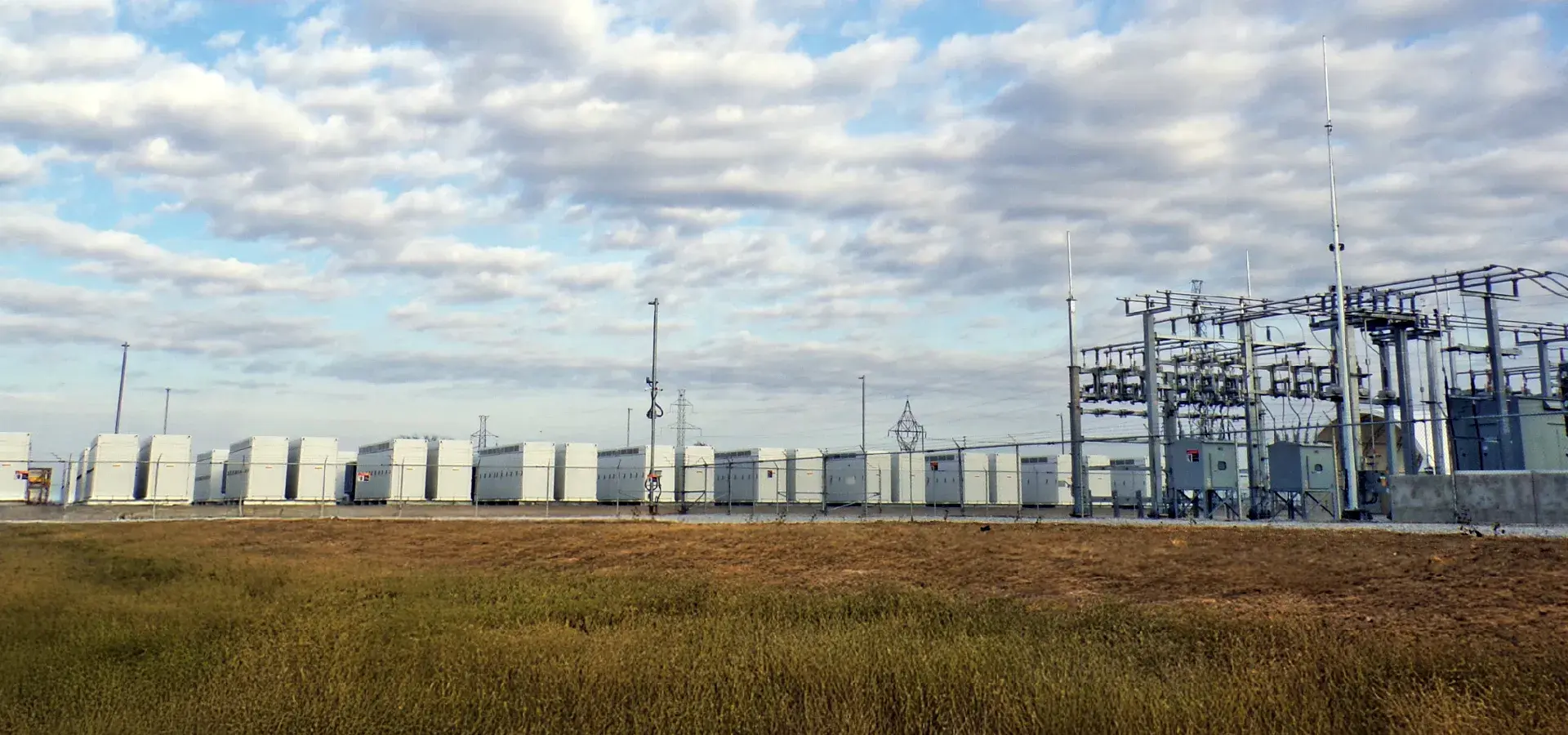
89 Tesla Megapack 2XL units Batteries
Technical data
- Battery technologyLithium-ion battery technology
- Battery capacity4h of continuous supply at full power

Sanjgon (formerly Tilbury BESS) Project Overview
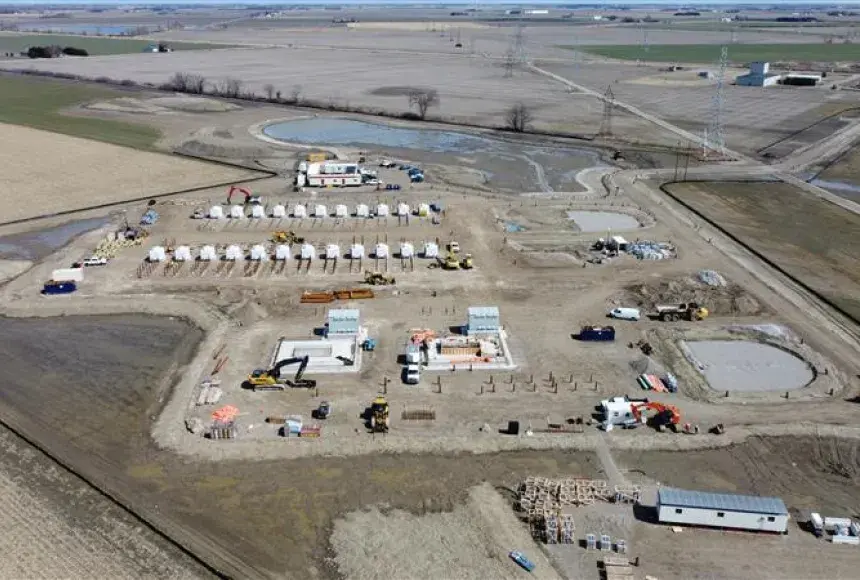
The Sanjgon Battery Energy Storage Project is an 80 MW / 320 MWh facility located in Lakeshore, Ontario. Developed by Boralex in partnership with Walpole Island First Nation, this four-hour duration system strengthens Ontario’s electricity grid, supports renewable energy integration, and delivers reliable power during peak demand. As part of Boralex’s Strategic Plan, Sanjgon marks a major step toward large-scale energy storage solutions in North America.
- The announcement, which recognizes Boralex as the leading awardee with 380MW in projects, can be found here.
Latest News
- Through a joint approach with Walpole Island First Nation, the Tilbury Battery Storage Project was renamed as the Sanjgon Battery Energy Storage. The term “Sanjgon,” derived from the Nishnaabemwin language, evokes the traditional storage practices used by the Nation’s families.
- The project entered its commercial operationnal phase on January 6th, 2026. It will help meet the energy capacity need identified by the IESO and benefit the overall Ontario electricity system. Full story here.
How the Sanjgon Battery Storage Project Supports Ontario's Grid
Contribution to Grid Reliability
Sanjgon was selected through the Independent Electricity System Operator (IESO) expedited long-term procurement process. It directly supports Ontario’s Resource Adequacy Framework, helping meet growing electricity demand while improving grid resilience.
Alignment with Strategic Goals
This project is a cornerstone of Boralex’s Strategic Plan, which aims to expand renewable energy and storage capacity across North America.

Environmental Impact of the Sanjgon Battery Energy Storage
Sustainability Commitments
By enabling renewable energy integration and reducing reliance on fossil fuels during peak periods, Sanjgon contributes to Ontario’s decarbonization objectives.
Economic Opportunities
The project creates jobs during construction and operation, while fostering long-term economic benefits for local communities.
Sanjgon Project Community Partnerships and Engagement
Collaboration with Walpole Island First Nation
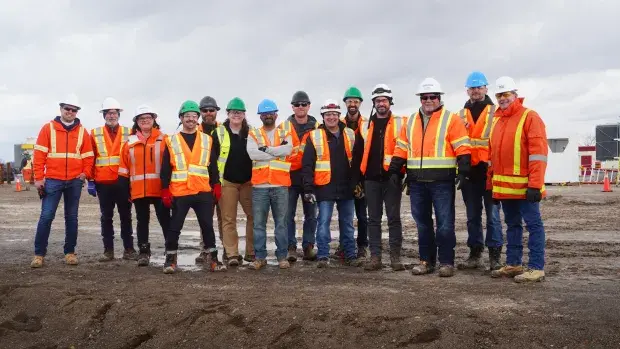
The project was developed in close collaboration with Walpole Island First Nation, reflecting Boralex’s commitment to respectful and sustainable partnerships with Indigenous communities.
Local Benefits for Lakeshore
An Impact Benefit Agreement ensures annual contributions of $1,000 per MW to support local initiatives throughout the project’s lifespan.

Honoring Indigenous Culture
The name “Sanjgon” comes from the Nishnaabemwin language of the Walpole Island First Nation and reflects this community’s traditional storage practices.
This designation embodies Boralex’s commitment to honoring Indigenous culture by co-developing a respectful and inclusive project. Such community partnerships strengthen the project’s legitimacy and local acceptance, which is often a key success factor for large energy infrastructures.
Sanjgon in Their Own Words
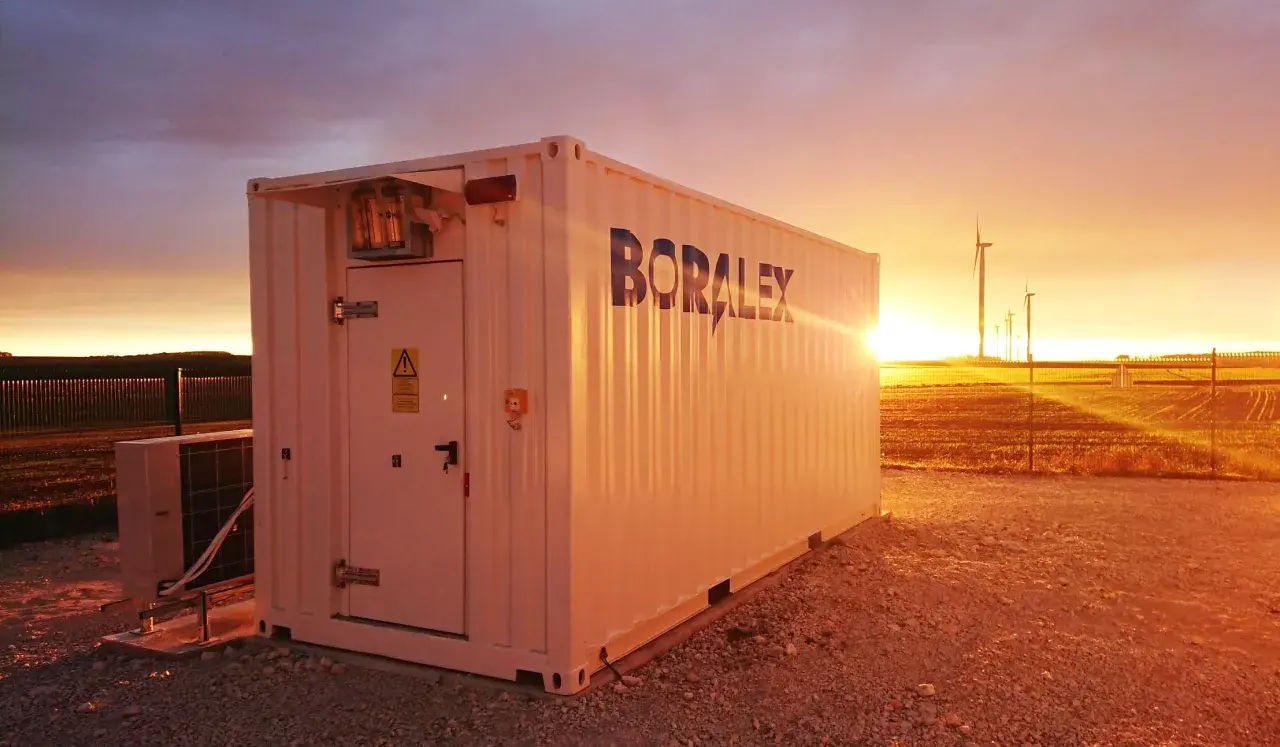
Battery Storage Reliability and Cybersecurity at Sanjgon
The Sanjgon Project, developed by Boralex, integrates a Remedial Action Scheme (RAS) — an automated system designed to ensure grid stability and operational reliability. This requirement classifies the site under NERC-Medium, which sets high standards for energy reliability and cybersecurity.
Control centers managing such assets must comply with NERC-High standards, the most stringent framework from the North American Electric Reliability Corporation, ensuring the protection of critical infrastructure.
- By adopting these measures today, Boralex strengthens the safety, resilience, and performance of its renewable energy storage solutions. This proactive approach demonstrates our commitment to anticipating future grid requirements and supporting a secure, sustainable energy transition.
Frequently asked questions (FAQ)
-
Battery storage, or battery energy storage systems, are devices that enable energy from power sources, like hydroelectric, wind, and even the electrical grid itself, to be stored and then released when customers need power most. Lithium-ion batteries, which are used in mobile phones and electric cars, are currently the most-used storage technology for large scale energy storage projects to help electricity grids ensure a reliable supply of energy.
-
Battery energy storage technology has a key part to play in ensuring homes and businesses can be powered, even when the sun isn’t shining, or the wind has stopped blowing. The energy system must match energy supply with customer demand. Battery energy storage systems charge up when energy sources are producing more energy than customers need and discharge during times of peak demand to provide a reliable, steady supply of energy.
-
Battery energy storage systems are considerably more advanced than the batteries you keep in your kitchen drawer or insert in toys and other electronics. A battery energy storage system can be charged by electricity generated from renewable energy, like wind and hydroelectric power, as well as drawing and storing energy from the grid during off-peak periods.
Intelligent battery software uses algorithms to coordinate energy production and computerized control systems are used to decide when to keep the energy to provide reserves or release it to the grid. Energy is released from the battery energy storage system during times of peak demand, keeping costs down and electricity flowing.
-
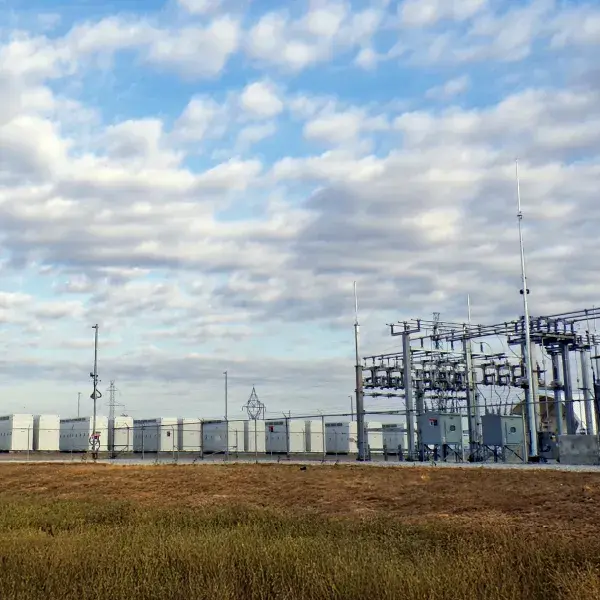
A site would consist of containerized batteries, inverters, medium voltage transformers, gravel internal access roads, buried collector and communication cabling, a small transmission substation, potential garage and operations and maintenance building, and connect to either a transmission system or distribution system depending on the system of the project.
-
The Project will contribute to the fight against climate change by mitigating the variability of renewable energy production and the cycling of natural gas facilities. This helps ensure the reliability and stability of the electricity grid as it fosters the penetration of renewable energies. It also helps to reduce harmful emissions as it lightens the load of traditional energy generation systems that rely on fossil fuels, such as gas-fired power plants.
Potential environmental effects will be determined during the Class Environmental Assessment (EA) for Transmission Facilities in accordance with the Ontario Environmental Assessment Act. The Class EA is a streamlined process for transmission projects anticipated to have a predictable range of environmental effects that can feasibly be mitigated with protection measures. More information about the Class EA can be found on the Hydro One website here.