
Strengthening Energy Security: Boralex Submits Next Phase of Development at Limekiln
Boralex has submitted an application for a 70 MW Battery Energy Storage System (BESS) at its Limekiln Wind Farm site to the Scottish Government and The Highland Council for consideration.
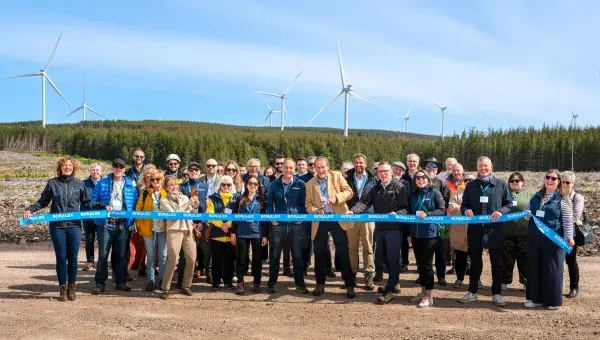
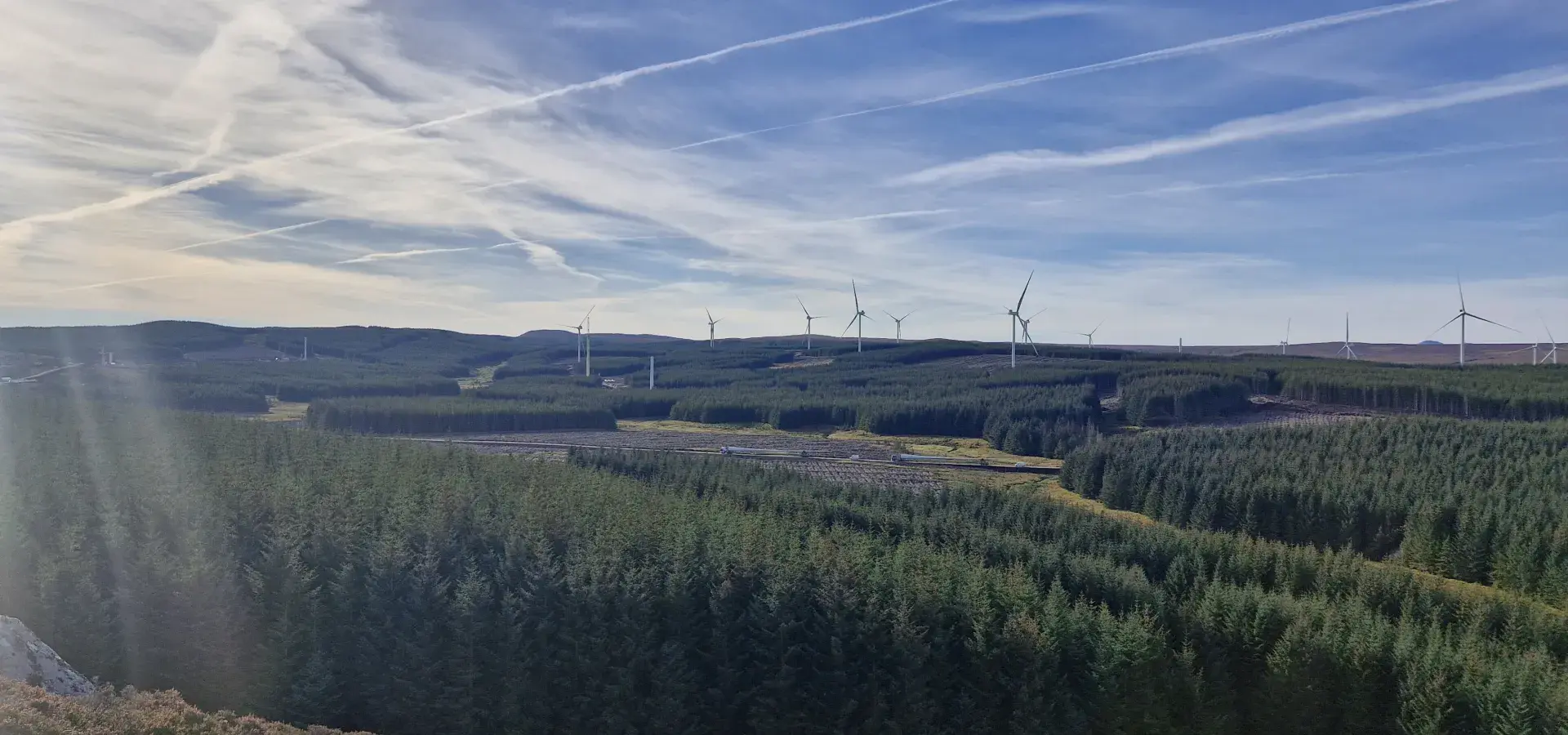
With Limekiln Wind Farm now operational and generating renewable electricity, the proposed battery storage facility represents the next phase in the development of the site. By combining renewable generation with energy storage, Boralex aims to support a more secure, resilient and flexible energy system in Scotland.
Supporting a more secure and resilient energy system
As the UK continues to develop its renewable energy capacity, strengthening the electricity system’s ability to manage variable generation is becoming increasingly important. Battery storage can play an important role by storing renewable electricity when generation is high and making it available when demand increases or generation is lower.
In the north of Scotland, where significant renewable generation can sometimes exceed the capacity of the electricity network, additional battery storage can help make better use of locally generated clean energy. It can also reduce the need to manage periods of over- or undercapacity through fossil fuels and help limit constraint costs associated with network congestion.
For Boralex, the proposed Limekiln BESS reflects a broader approach to the energy transition: developing renewable generation alongside the infrastructure needed to make the energy system more secure, flexible and resilient.
Building on renewable generation at Limekiln
The proposed battery storage facility would complement the renewable electricity already generated at Limekiln Wind Farm. By enabling more of that energy to be stored and used when it is needed, the project would contribute to making renewable generation more responsive to the needs of the electricity system.
This combination of renewable energy and storage is an important part of building a stronger energy system, one that can maximise domestic renewable resources while improving flexibility and supporting long-term energy security.
Next steps
The Limekiln BESS application will be considered by The Highland Council’s North Planning Applications Committee as a statutory consultee before being determined by the Scottish Government under Section 36 of the Electricity Act 1989. The Council is one of several statutory consultees whose views will inform the Scottish Government’s decision-making process.
During construction, access to the Limekiln core path would be maintained. A temporary diversion would be required during installation of the underground cable, rerouting the path from the Substation Extension area through the wind farm before reconnecting at the BESS compound. The Highland Council has been consulted and does not foresee significant impacts to the core path or its users.